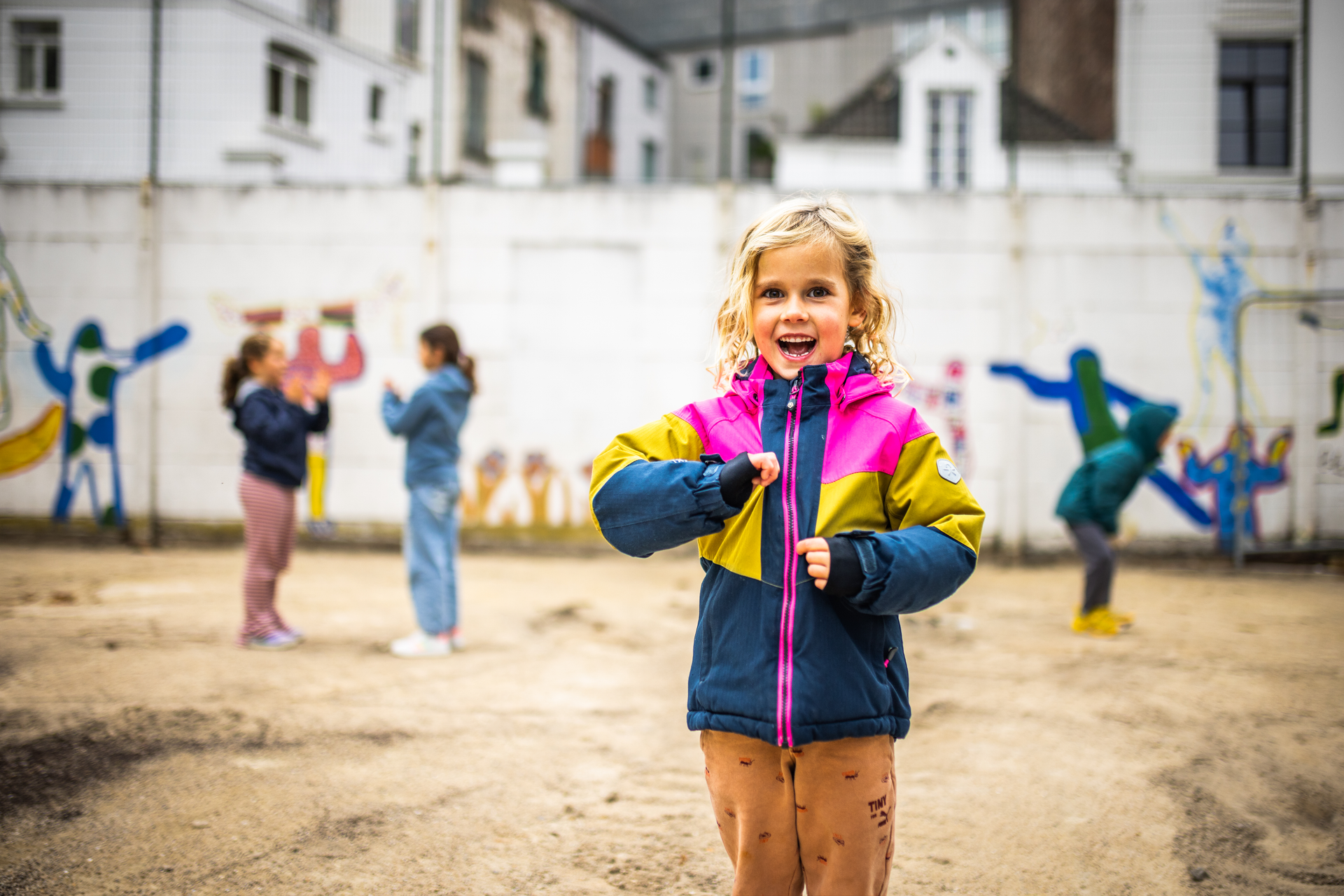
Fundraising often happens quietly. Children who start the school day without lunch, without a warm coat or without joining a school trip. At MySueno, we had the honor of developing two campaigns for Pelicano that made this hidden reality visible and moved people from awareness to action.
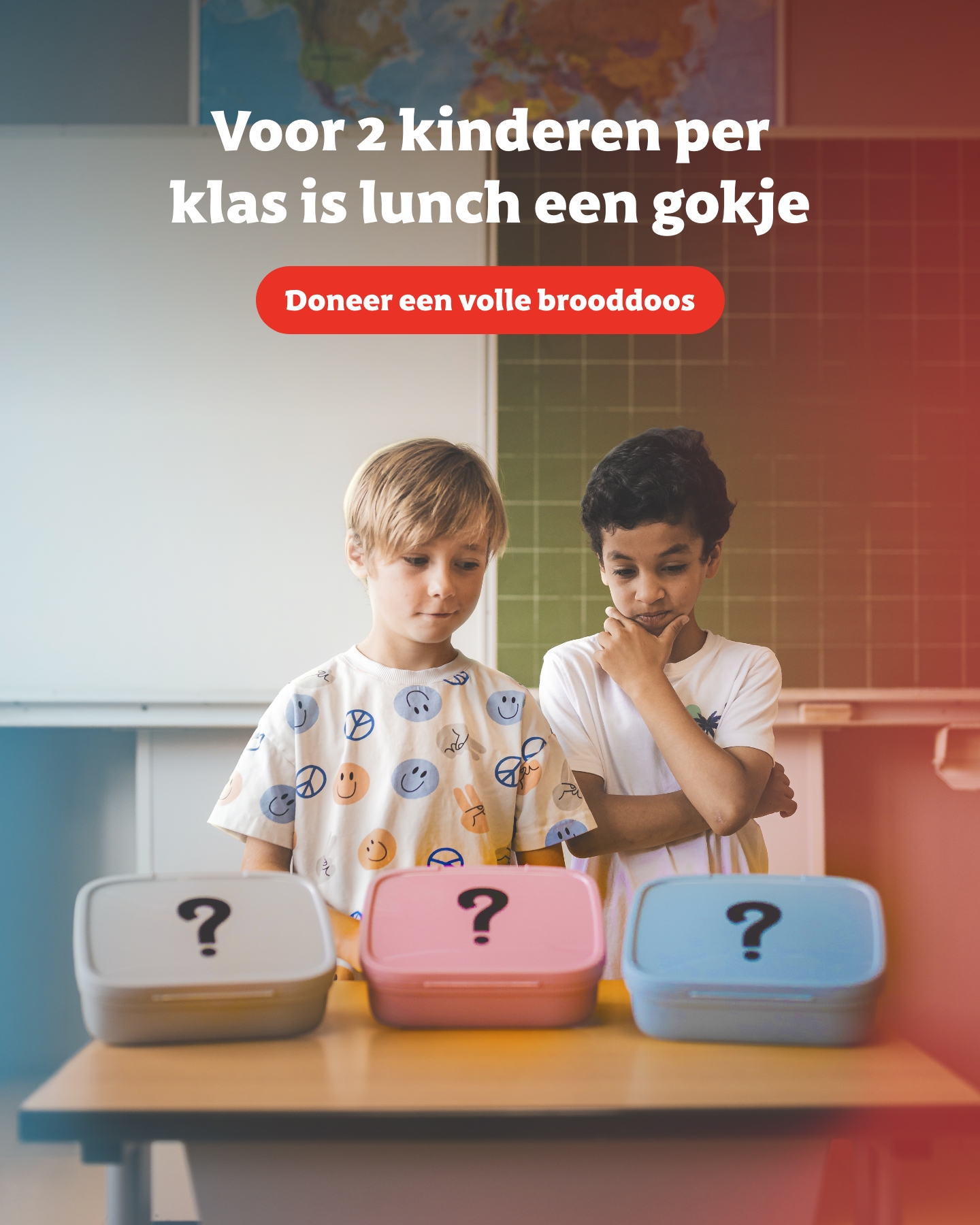
The first campaign, Dag van de Volle Brooddoos, focused on awareness and fundraising around children going to school without lunch. This was followed by De Week van de Kinderarmoede, which made the impact of fundraising relatable by showing how small everyday spending habits like a latte, a cocktail, or a night out can translate into real change for a child in need. Together, both campaigns combined reach and emotion to create real world impact.
Communicating a sensitive issue without guilt. How do you make fundraising for child poverty visible without being heavy-handed or guilt-trippy? The challenge was twofold. On the one hand, we needed to raise awareness about children going to school without basic necessities like lunch. On the other hand, we wanted to show that small choices in our daily lives can already make a meaningful difference. The key challenge was finding the right balance between emotion and clarity, turning awareness into action without ever feeling preachy.
Challenge
Communicating a sensitive issue without guilt
Communicating a sensitive issue without guilt. How do you make fundraising for child poverty visible without being heavy-handed or guilt-trippy? The challenge was twofold. On the one hand, we needed to raise awareness about children going to school without basic necessities like lunch. On the other hand, we wanted to show that small choices in our daily lives can already make a meaningful difference. The key challenge was finding the right balance between emotion and clarity, turning awareness into action without ever feeling preachy.
Challenge
From story to action
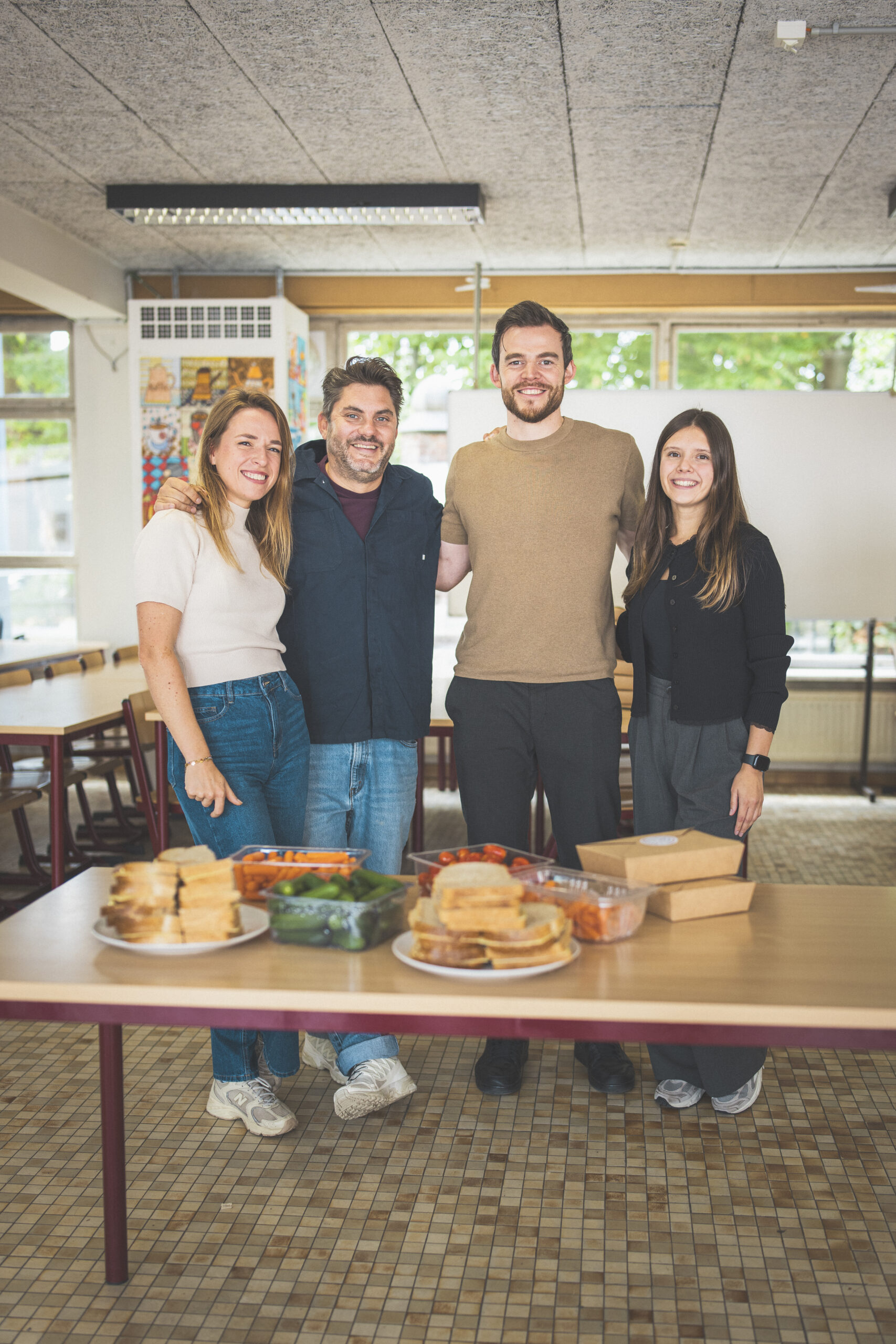
We approached this with a mix of emotion, visibility, and action, connecting both campaigns into one seamless narrative. For Dag van de Volle Brooddoos, the campaign video was the central driver. With Jeroen Meus as the face of the campaign, the story was told in a warm and relatable way that resonated with a broad audience. The video formed the backbone of the campaign and was amplified through social media, paid ads, retargeting, and a dedicated landing page. To bring the message into the real world, the campaign was supported by tangible activations. Lunchboxes were distributed and shared live on social media, making the impact concrete. Together with Stephanie Planckaert, Jeroen Meus also visited schools to help prepare sandwiches with children, which were later delivered to a charity, closing the loop between awareness and action.
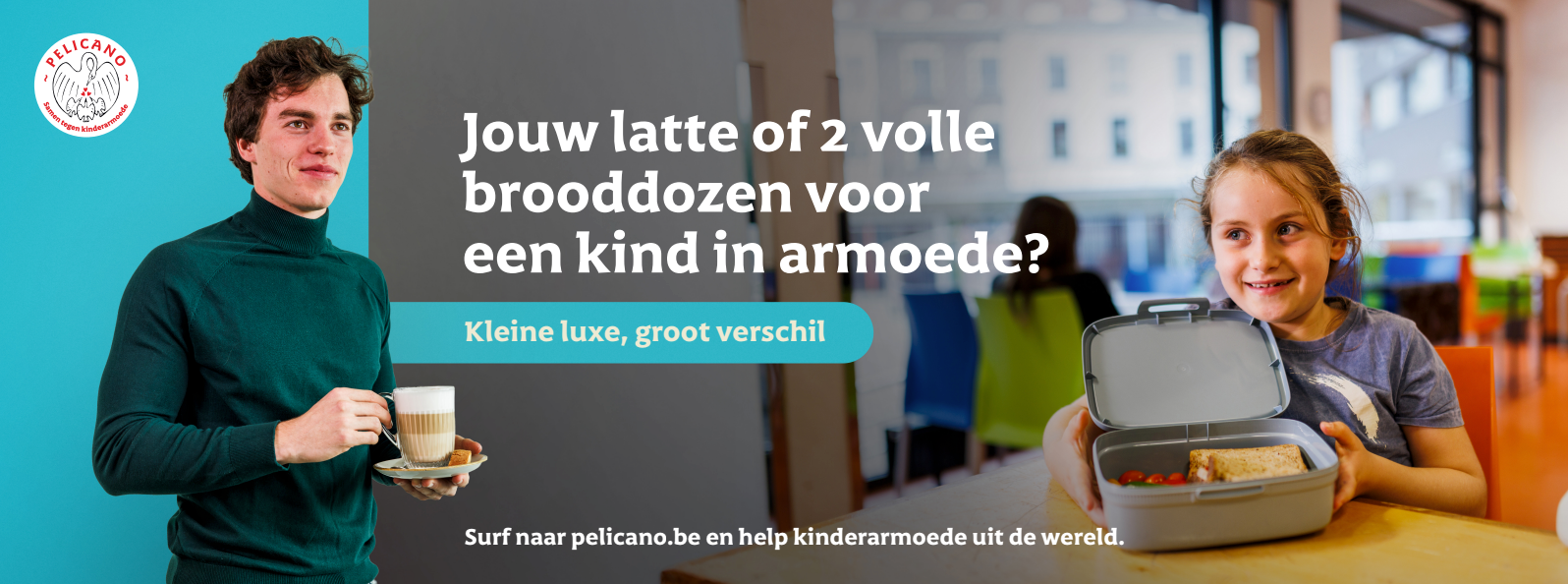
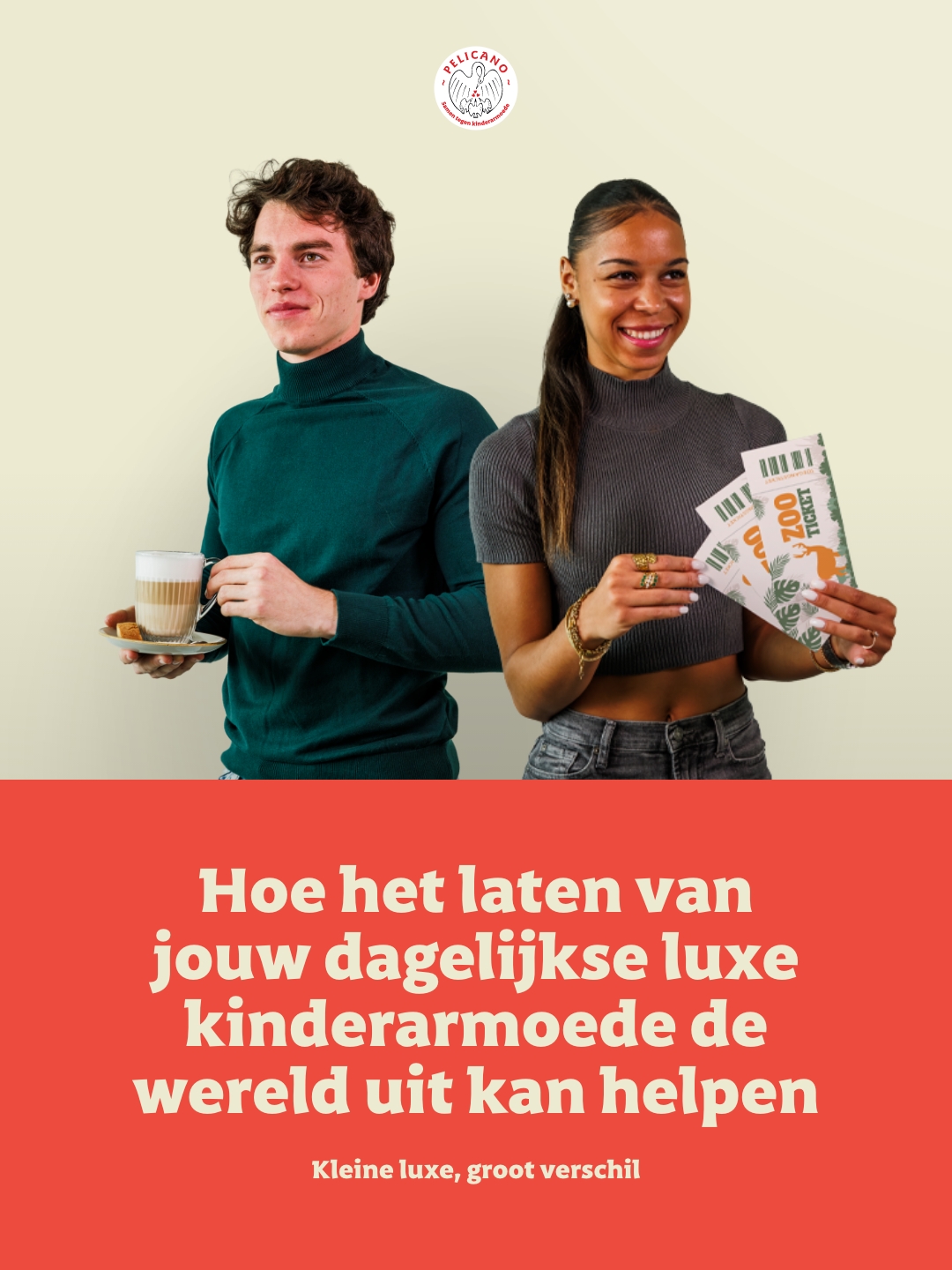
Building on this momentum, De Week van de Kinderarmoede focused on relatability. Through strong contrast visuals and split image photography, the campaign showed how skipping a small indulgence could translate into real support for a child. The message was amplified at scale through 45 vehicles across trams, buses, and windowbacks, supported by social media visuals that kept the story top of mind.
We approached this with a mix of emotion, visibility, and action, connecting both campaigns into one seamless narrative. For Dag van de Volle Brooddoos, the campaign video was the central driver. With Jeroen Meus as the face of the campaign, the story was told in a warm and relatable way that resonated with a broad audience. The video formed the backbone of the campaign and was amplified through social media, paid ads, retargeting, and a dedicated landing page. To bring the message into the real world, the campaign was supported by tangible activations. Lunchboxes were distributed and shared live on social media, making the impact concrete. Together with Stephanie Planckaert, Jeroen Meus also visited schools to help prepare sandwiches with children, which were later delivered to a charity, closing the loop between awareness and action.
Building on this momentum, De Week van de Kinderarmoede focused on relatability. Through strong contrast visuals and split image photography, the campaign showed how skipping a small indulgence could translate into real support for a child. The message was amplified at scale through 45 vehicles across trams, buses, and windowbacks, supported by social media visuals that kept the story top of mind.

Challenge
Communicating a sensitive issue without guilt
Communicating a sensitive issue without guilt. How do you make fundraising for child poverty visible without being heavy-handed or guilt-trippy? The challenge was twofold. On the one hand, we needed to raise awareness about children going to school without basic necessities like lunch. On the other hand, we wanted to show that small choices in our daily lives can already make a meaningful difference. The key challenge was finding the right balance between emotion and clarity, turning awareness into action without ever feeling preachy.
Challenge
From story to action
We approached this with a mix of emotion, visibility, and action, connecting both campaigns into one seamless narrative. For Dag van de Volle Brooddoos, the campaign video was the central driver. With Jeroen Meus as the face of the campaign, the story was told in a warm and relatable way that resonated with a broad audience. The video formed the backbone of the campaign and was amplified through social media, paid ads, retargeting, and a dedicated landing page. To bring the message into the real world, the campaign was supported by tangible activations. Lunchboxes were distributed and shared live on social media, making the impact concrete. Together with Stephanie Planckaert, Jeroen Meus also visited schools to help prepare sandwiches with children, which were later delivered to a charity, closing the loop between awareness and action.
Building on this momentum, De Week van de Kinderarmoede focused on relatability. Through strong contrast visuals and split image photography, the campaign showed how skipping a small indulgence could translate into real support for a child. The message was amplified at scale through 45 vehicles across trams, buses, and windowbacks, supported by social media visuals that kept the story top of mind.